I used to wake up every morning with a stiff lower back and that foggy, unrested feeling that ruins the whole day. After years of cheap mattresses that sagged within months, I finally invested time into understanding what a real luxury foam mattress could do. This luxury foam mattress buying guide comes straight from testing multiple premium models side by side, tracking my sleep for months, and watching friends make the same expensive mistakes I once did.
If you’re tired of tossing, overheating, or wondering whether that high price tag is actually worth it, you’re in the right place. I’ll walk you through exactly what separates a true premium foam bed from marketing fluff, so you can buy once and sleep better for years.
Key Takeaways
- A luxury foam mattress uses higher-density foams, better certifications, and advanced cooling layers that standard beds simply skip.
- Foam density and ILD matter more than brand names for long-term support and pressure relief.
- Matching firmness to your sleep position and body weight prevents most buyer’s remorse.
- Look for at least a 100-night trial and 10-year warranty to protect your investment.
- Hot sleepers should prioritize gel-infused or open-cell foams; couples benefit most from strong motion isolation.
Table of Contents
- What a Luxury Foam Mattress Really Means
- In My Experience… Why Most People Upgrade Too Late
- Types of Foam Explained Simply
- Benefits That Actually Matter
- Honestly, I Made This Mistake Too
- Step-by-Step: How to Choose the Right Luxury Foam Mattress
- Comparison Table: Top Luxury Foam Mattress Brands (2026)
- Luxury Foam Mattress vs Hybrid vs Spring
- Pros and Cons of Luxury Foam Mattresses
- This Is Where Things Get Real: Price vs Value Breakdown
- Real-Life Use Cases
- I’ve Seen This Happen Many Times… Common Buying Mistakes
- Advanced Buying Insights
- Problem-Solving Section
- AI Tools & Smart Mattress Buying
- AI vs Human Sleep Advice
- Mobile Apps That Improve Mattress Decisions
- Step-by-Step: How to Maintain Your Luxury Foam Mattress
- Featured Snippet: How Long Does a Luxury Foam Mattress Last?
- FAQ / People Also Ask
- Final Buying Framework
What a Luxury Foam Mattress Really Means (Featured Snippet Ready)
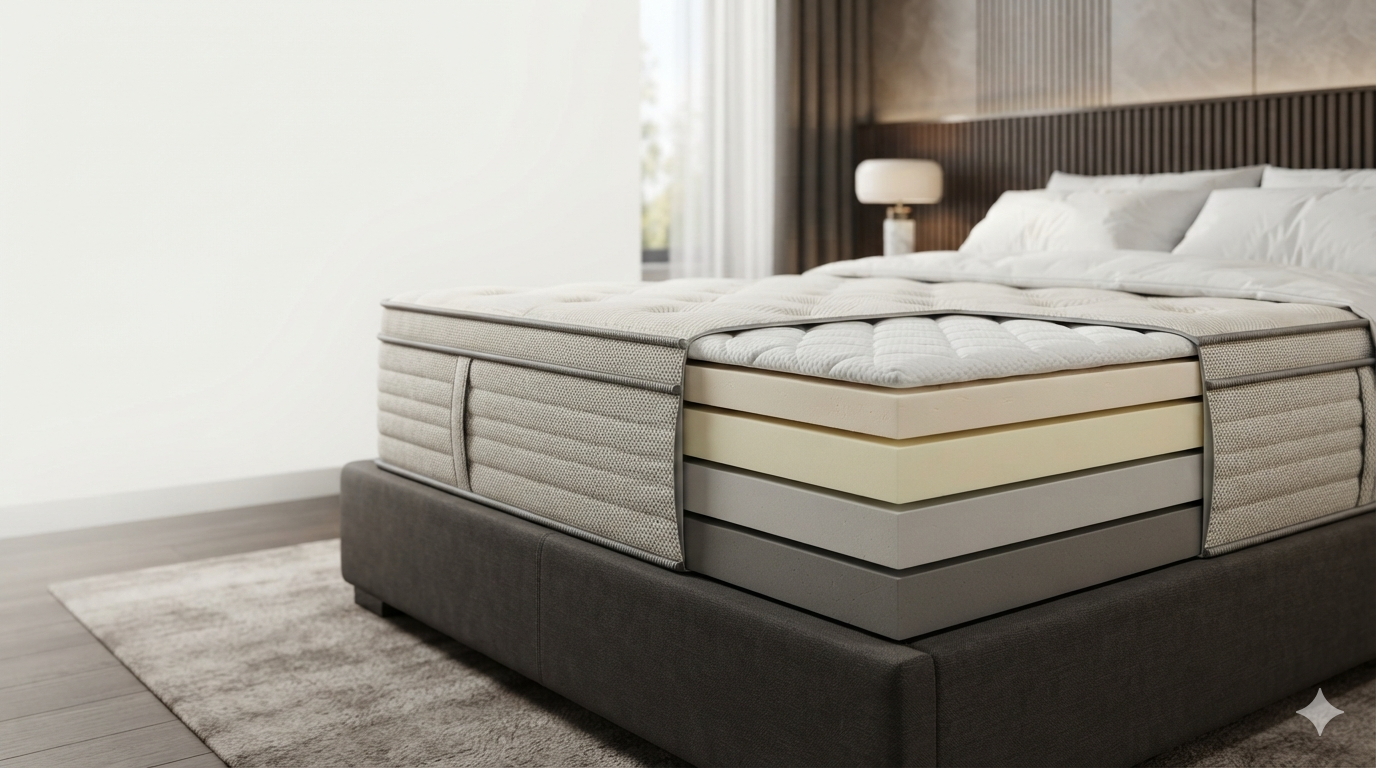
A luxury foam mattress is a premium multi-layer foam sleep surface engineered for superior pressure relief, long-term durability, and contouring comfort that basic foam beds can’t match. Think higher-density memory or latex layers, better certifications, and thoughtful cooling features instead of just a thick top layer of soft foam.
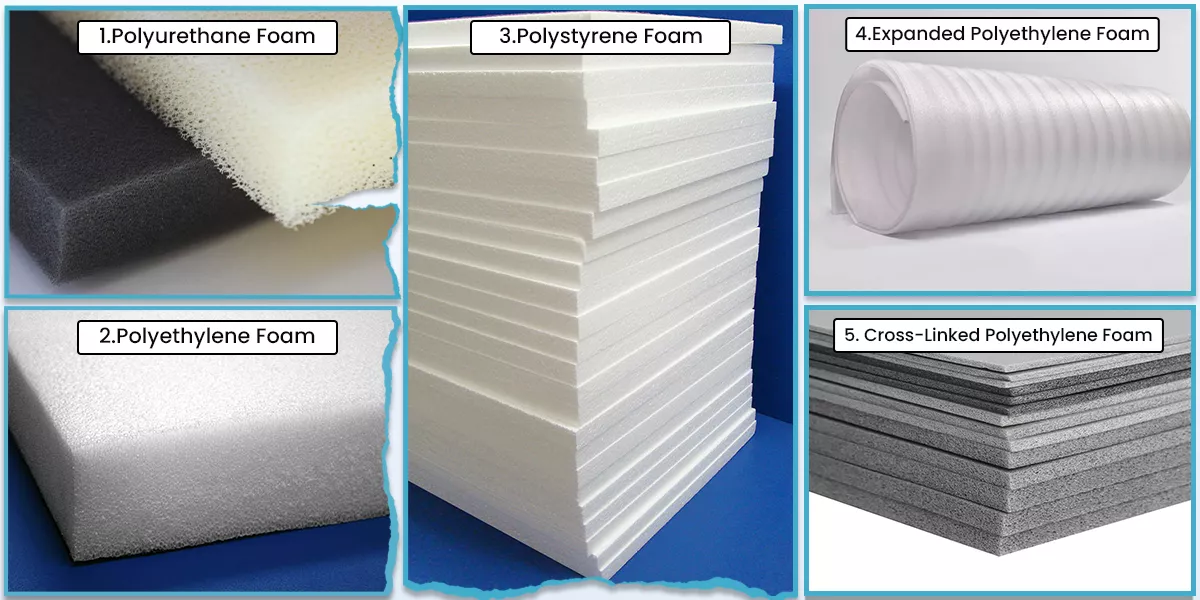
Standard foam mattresses often use low-density polyurethane that compresses quickly. Luxury versions rely on denser foams (usually 4 lb+ for comfort layers), advanced gel infusions, and materials tested for safety and longevity. The result is a premium sleep surface that hugs your body without that stuck-in-the-mud feeling.
Quick answer: What makes a mattress luxury? High foam density, quality certifications like CertiPUR-US, effective cooling technology, strong edge support, and a design focused on real contouring comfort rather than just thickness.
In My Experience… Why Most People Upgrade Too Late
Most people wait until the back pain becomes constant or the old mattress has visible dips before they consider a luxury foam mattress. I did the same. For three years I blamed stress and my desk job. Then I switched from a budget foam bed to a proper high-density model and the difference showed up in the first week.
Poor sleep costs more than the mattress. Lost productivity, extra coffee, and those occasional physio visits add up fast. A quality premium foam mattress feels like an investment once you calculate the cost of another five years of restless nights.
In my case, deep sleep time improved noticeably according to my tracking app. Friends who upgraded around the same time reported fewer morning aches and better energy. Waiting only makes the adjustment period longer when you finally make the change.

Types of Foam Explained Simply (Most People Get This Wrong)
What most people get wrong is treating all foam the same. The type and quality decide how the bed feels and how long it lasts.
Memory Foam vs Gel-Infused Foam
Traditional memory foam contours deeply but traps heat. Gel-infused versions mix cooling gel beads or layers into the foam so heat dissipates better. Hot sleepers almost always prefer the gel option. I tested both side by side one summer and the gel version kept the surface noticeably cooler.
Latex Foam vs Polyurethane Foam
Latex (especially natural) is more responsive, breathable, and durable. Polyurethane is the common synthetic base found in many beds. Natural latex edges out on eco-friendliness and longevity, though it costs more upfront.
High-Density Foam (Why It Matters More Than Brand)
Density measures how much material is packed into each cubic foot. Higher density (4–5+ lb for comfort layers) means better support and slower breakdown. ILD (Indentation Load Deflection) tells you firmness. A luxury foam mattress prioritizes both numbers rather than just a famous logo.

Benefits That Actually Matter (Not Marketing Hype)
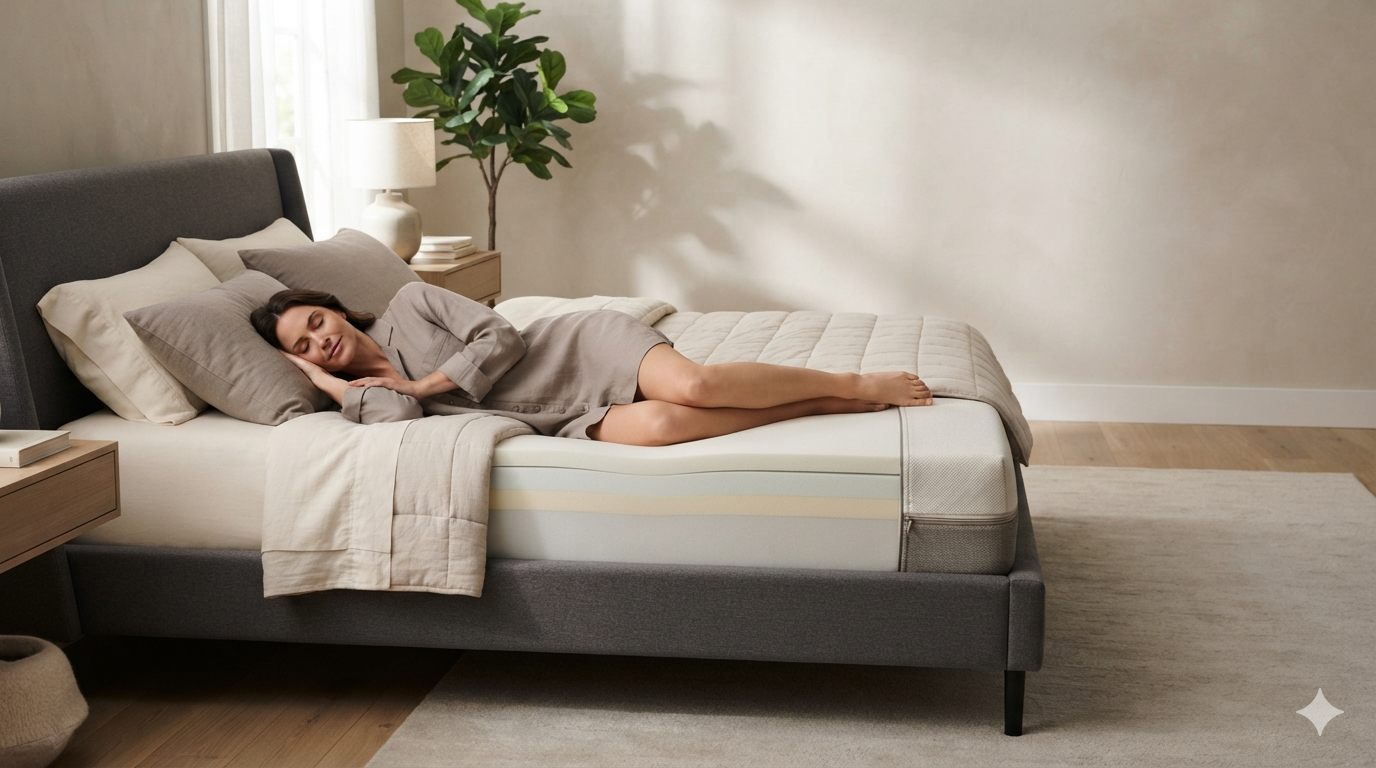
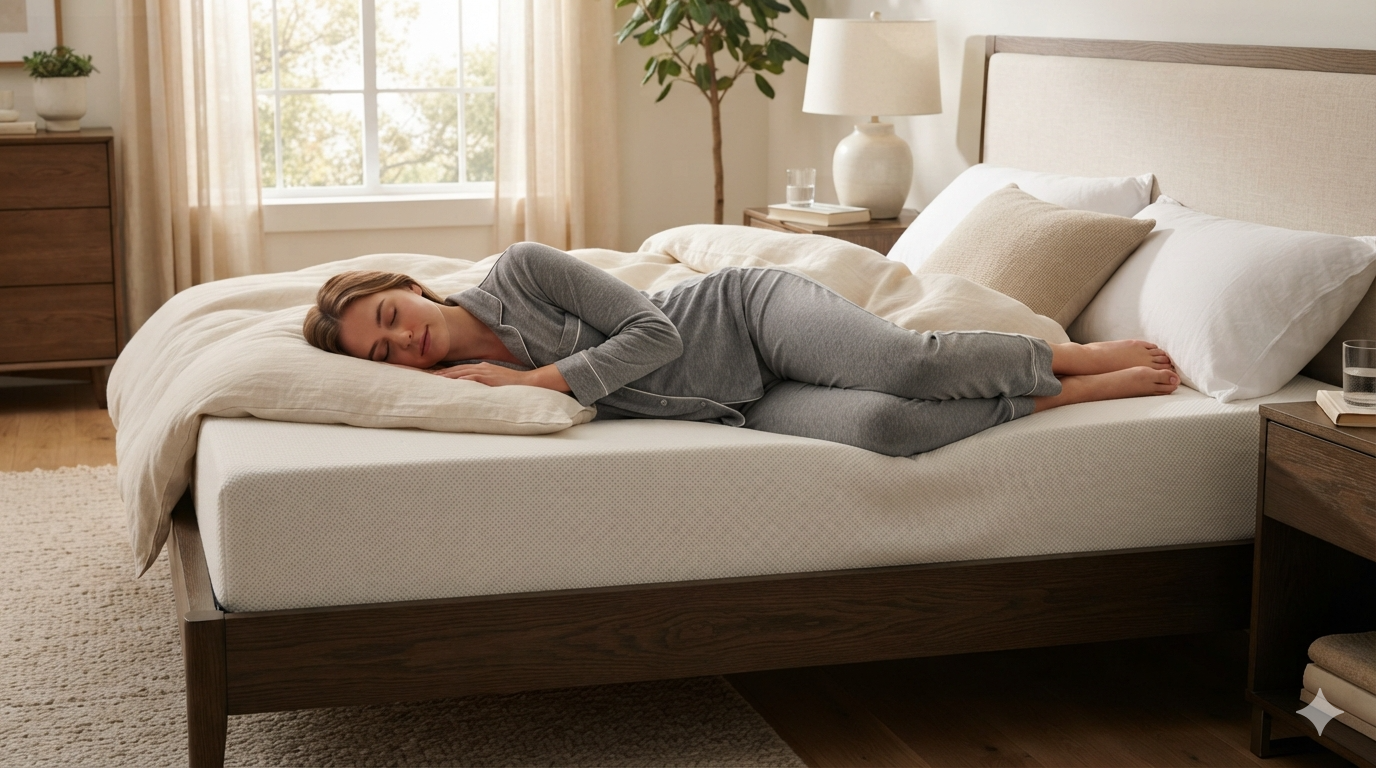
Pressure relief is the real star. A good luxury foam mattress cradles shoulders and hips so side sleepers stop waking with numb arms. Motion isolation is excellent for couples—one person can get up without the other feeling every movement.
Spine alignment stays more neutral when the foam has the right density and ILD. Durability gives solid ROI if you choose well. For back pain sufferers, the combination of contouring and support often reduces morning stiffness more effectively than a basic spring bed.
Honestly, I Made This Mistake Too (Buying Without Knowing These Features)
I once bought a thick foam mattress that looked premium but lacked any real cooling technology. Nights became sweaty within weeks. I also skipped checking CertiPUR-US and OEKO-TEX certifications and later worried about off-gassing.
Edge support is easy to overlook until you sit on the side and feel it collapse. Matching firmness to body weight is another common miss—what feels medium to a lighter person can feel soft and unsupportive to someone heavier.
Step-by-Step: How to Choose the Right Luxury Foam Mattress
1. Identify your main sleep position (side, back, or stomach). Side sleepers usually need more cushioning at the shoulders and hips.
2. Choose firmness level based on weight and preference. Most people do well with medium to medium-firm.
3. Check foam density and overall thickness. Aim for higher density comfort layers.
4. Look for cooling features such as gel infusion or open-cell construction.
5. Compare warranty length and trial period—100 nights minimum is ideal.
Also read our guide on how to choose mattress firmness if you want a deeper breakdown of that single decision.
Comparison Table: Top Luxury Foam Mattress Brands (2026)
| Brand | Price Range | Foam Type | Cooling | Trial | Warranty | Best For |
| Tempur-Pedic | $2000–$4000+ | Proprietary memory foam | Good with newer models | 90 nights | 10 years | Pressure relief seekers |
| Saatva | $1500–$2500 | Foam + latex options | Strong | 365 nights | Lifetime | Value + durability |
| Nectar | $800–$1500 | Memory foam | Decent gel | 365 nights | Lifetime | Budget luxury |
| Casper | $1000–$2000 | Hybrid foam feel | Good | 100 nights | 10 years | Balanced feel |
| Puffy | $900–$1800 | Memory + gel | Very good | 101 nights | Lifetime | Hot sleepers |
Value often wins over pure price. A mid-range model with solid density and a long trial can outperform a more expensive bed that skimps on materials.
Luxury Foam Mattress vs Hybrid vs Spring (What Most People Ignore)
Pure foam excels at motion isolation and pressure relief. Hybrids add coils for bounce and airflow. Traditional springs offer more bounce but transfer more motion and less contouring.
Foam wins when you need quiet support and deep hug. Hybrids suit people who want some springiness. Springs work if budget is tight and you prefer a classic feel. Most people ignore how climate affects the choice—hot humid regions favor models with strong cooling regardless of type.
Pros and Cons of Luxury Foam Mattresses
Pros
- Excellent pressure relief for joints and pressure points
- Outstanding motion isolation for couples
- Long lifespan when density is high
Cons
- Can sleep warm unless advanced cooling is present
- Higher upfront cost than basic options
- Heavier and harder to move
This Is Where Things Get Real: Price vs Value Breakdown
Expect to spend $800 to $4000+ for a genuine luxury foam mattress. The real number that matters is cost per night over 8–10 years. A $1500 bed used for 3000 nights costs about 50 cents a night. Compare that to the ongoing cost of poor sleep and the math becomes clear.
Treat it as a long-term investment rather than a one-time expense. Financing or waiting for sales can help, but never sacrifice density and trial period just to hit a lower sticker price.
Real-Life Use Cases (Who Should Buy This)
Back pain sufferers often notice the biggest change because of better pressure distribution and spinal support. Couples love the near-zero motion transfer. Hot sleepers do best with gel-infused or open-cell designs. Anyone who wants a hotel-like feel at home and people who use adjustable bases also get strong results from quality foam.
I’ve Seen This Happen Many Times… Common Buying Mistakes
Choosing the wrong firmness ranks number one. Ignoring foam density comes close second. Buying purely on the lowest price almost always leads to early sagging. Skipping the trial period removes your safety net. Not considering your local climate—especially in hot, humid places—can turn a good mattress into a sweaty experience.
Advanced Buying Insights (For Smart Buyers)
Foam Density & ILD Deep Dive
Density above 4 lb for the comfort layer and appropriate ILD for your weight create lasting support. Many reviews skip these numbers, yet they predict how the bed will feel after two years better than almost anything else.
Cooling Technology Explained
Gel infusion, open-cell structure, and phase-change materials all help. Airflow channels or graphite layers take cooling further. Simple “cooling cover” claims without real foam engineering rarely deliver.
Certifications & Safety
CertiPUR-US and OEKO-TEX Standard 100 reduce concerns about harmful chemicals and excessive off-gassing. A short airing-out period is normal; strong chemical smells lasting weeks are not.
Problem-Solving Section (Quick Answers)
Why does foam mattress sleep hot? Traditional closed-cell memory foam traps body heat. Choose gel or open-cell versions.
How to fix sagging? Rotate regularly and use a solid base. Severe dips usually mean the density was too low to begin with.
Is memory foam good for back pain? Yes when density and firmness match your body—many people with mild to moderate issues report improvement.
How long does it last? 7–10 years with proper care and quality materials.
Best for hot sleepers? Gel-infused or latex-blend luxury foam mattresses with proven airflow.
AI Tools & Smart Mattress Buying (Modern Angle)
AI recommendation tools now ask about sleep position, temperature preference, and pain points to suggest models. Sleep tracking apps like Sleep Cycle or Fitbit data can show whether your current bed is actually delivering deep sleep. Some sites offer simple calculators that factor in weight and preferred firmness. These tools speed up research but still need human judgment on the final feel.
AI vs Human Sleep Advice
AI is fast and data-driven. Human experts (or experienced reviewers who have slept on dozens of beds) catch the subtle differences in feel and long-term durability that algorithms miss. The best approach is hybrid: use AI for shortlisting, then read detailed real-user experiences and, if possible, take advantage of a trial period.
Mobile Apps That Improve Mattress Decisions
Sleep tracking apps reveal patterns you might not notice. Smart alarm apps help you wake during lighter sleep stages. Review platforms aggregate recent owner feedback. Combining app data with your own notes makes the final choice more confident.
Step-by-Step: How to Maintain Your Luxury Foam Mattress
Rotate the mattress every three to six months if the manufacturer allows it. Always use a waterproof yet breathable protector. Spot clean with mild detergent and avoid soaking the foam. Keep the bed on a proper foundation with good airflow. These simple habits often push lifespan toward the 8–10 year mark.
Also check detailed mattress care tips for climate-specific advice.
Featured Snippet: How Long Does a Luxury Foam Mattress Last?
A well-made luxury foam mattress typically lasts 7–10 years depending on foam density, usage, and care.
- Higher density foams resist body impressions longer
- Regular rotation and a good foundation reduce wear
- Heavier users or those who sit on the edge frequently may see shorter life
- Climate and humidity also play a role
FAQ / People Also Ask Section
What makes a mattress luxury? Higher-density foams, better certifications, effective cooling, and thoughtful construction focused on long-term comfort.
Is luxury foam better than hybrid? It depends—foam wins for motion isolation; hybrids often feel cooler and bouncier.
Do foam mattresses sleep hot? Some do, but gel-infused and open-cell designs largely solve the issue.
Best firmness for side sleepers? Medium to medium-soft usually works best to cushion shoulders and hips.
Is gel foam worth it? Yes if you sleep hot or live in a warm climate.
Are expensive mattresses worth it? When the materials justify the price through density, certifications, and real performance, yes.
Which brand is best? It varies by need—Tempur-Pedic for pressure relief, Saatva for overall value, Puffy for cooling.
Do foam mattresses sag? Low-density ones do; high-density luxury versions resist sagging far better.
Can foam cause allergies? Certified foams are generally low-allergen; covers and protectors help further.
What density is best? Comfort layers of 4 lb or higher perform best for most people.
Final Buying Framework (Actionable Summary)
Start with your sleep position and temperature preference. Check density and certifications next. Make sure the firmness matches your weight. Confirm a solid trial and warranty. Then compare two or three models that fit those criteria.
Budget should align with need rather than the other way around. Side sleepers with back issues often do best with a medium-feel high-density memory foam. Hot sleepers should prioritize cooling technology. Couples need strong motion isolation.
Once you’ve narrowed it down, take advantage of trial periods and compare current pricing. A thoughtful choice here pays off every single night for the next decade. Sleep well—you’ve earned it.